AI Tools for 3D Modeling and Animation
Explore AI tools that assist in 3D modeling and animation, opening new possibilities for visual content creation.
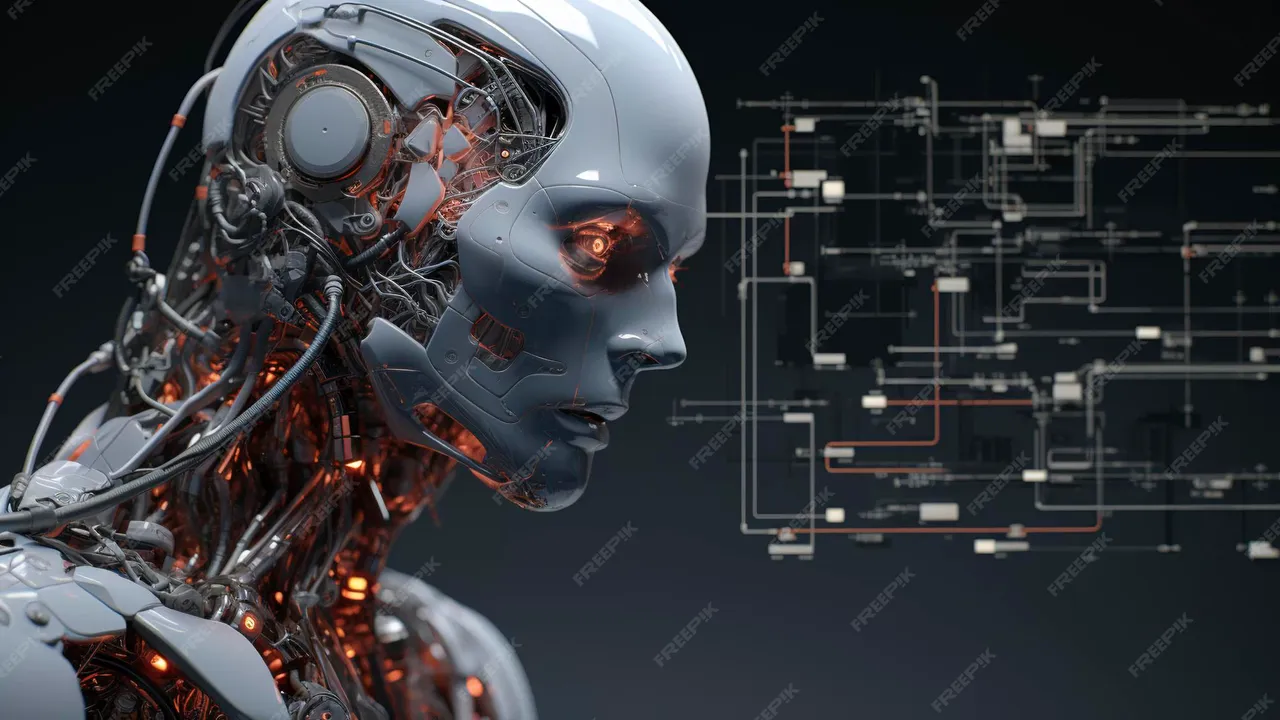
Explore AI tools that assist in 3D modeling and animation, opening new possibilities for visual content creation. The world of 3D modeling and animation has long been a domain of specialized skills, complex software, and significant time investment. However, with the rapid advancements in artificial intelligence, this landscape is undergoing a dramatic transformation. AI is no longer just a futuristic concept; it's actively empowering artists, designers, and small businesses to create stunning 3D content with unprecedented ease and efficiency. Whether you're a seasoned professional looking to streamline your workflow or a complete beginner eager to dive into 3D, AI tools are democratizing access to this powerful visual medium.
AI Tools for 3D Modeling and Animation
The integration of AI into 3D modeling and animation software is revolutionizing how we conceive, create, and render digital environments and characters. From automating tedious tasks to generating complex assets from simple prompts, AI is becoming an indispensable partner in the creative process. This article will delve into the exciting world of AI-powered 3D tools, exploring their capabilities, comparing popular options, and discussing how they can benefit individuals and small businesses in various industries.
Understanding AI in 3D Modeling and Animation Software
At its core, AI in 3D modeling and animation leverages machine learning algorithms to understand patterns, generate content, and automate processes that would traditionally require extensive manual input. This can manifest in several ways:
- Generative Design: AI can create 3D models from text descriptions, 2D images, or even rough sketches. This significantly speeds up the initial conceptualization phase.
- Procedural Generation: Algorithms can generate complex environments, textures, and objects based on a set of rules, reducing the need for manual placement and detailing.
- Automation of Repetitive Tasks: AI can automate tasks like rigging characters, optimizing meshes, or even animating subtle movements, freeing artists to focus on creative direction.
- Style Transfer and Enhancement: AI can apply specific artistic styles to 3D models or enhance existing assets with higher detail and realism.
- Simulation and Physics: AI can power more realistic simulations of cloth, hair, fluids, and rigid body dynamics, making animations more lifelike.
For individuals and small businesses, these capabilities translate into significant advantages: reduced production costs, faster turnaround times, and the ability to produce high-quality 3D content without needing a large team of specialists.
Top AI Powered 3D Modeling Tools for Artists and Designers
Let's explore some of the leading AI-powered 3D modeling tools that are making waves in the industry. We'll look at their features, typical use cases, and pricing structures.
1. Luma AI Genie AI 3D Generation
Luma AI's Genie is a groundbreaking tool that allows users to generate 3D models from simple text prompts. Imagine typing 'a futuristic spaceship' or 'a cozy living room' and having a 3D model appear before your eyes. Genie is designed to be incredibly user-friendly, making 3D creation accessible to everyone, regardless of their prior experience with 3D software.
- Key Features: Text-to-3D generation, high-quality mesh output, various export formats (GLB, USDZ), intuitive interface.
- Use Cases: Rapid prototyping, game asset creation, architectural visualization, concept art, educational content.
- Pricing: Luma AI offers a free tier with limited generations, and paid plans start around $29/month for more generations and features. Enterprise solutions are also available.
- Comparison: Genie stands out for its ease of use and direct text-to-3D capability. While other tools might offer more granular control over the modeling process, Genie excels at quickly bringing ideas to life in 3D. It's particularly strong for those who prioritize speed and conceptualization over intricate manual detailing.
2. Spline AI 3D Design and Collaboration
Spline is a powerful web-based 3D design tool that has integrated AI features to enhance its capabilities. It's known for its real-time collaboration features and ease of creating interactive 3D experiences for the web. Spline's AI assists with tasks like generating textures, materials, and even simple animations, making the design process more efficient.
- Key Features: Real-time collaboration, web-based editor, AI texture generation, AI material suggestions, interactive 3D exports, animation tools.
- Use Cases: Web design, interactive product showcases, game prototypes, educational content, social media visuals.
- Pricing: Spline offers a free starter plan with limited features. Paid plans, which unlock more advanced AI capabilities and collaboration features, start from $7/month for individuals and $19/month for teams.
- Comparison: Spline's strength lies in its web-first approach and collaborative features, making it ideal for teams working on interactive 3D content. Its AI features are more geared towards enhancing existing designs and automating material creation rather than generating entire models from scratch, differentiating it from Genie.
3. Kaedim AI Powered 3D Model Generation
Kaedim is an AI platform that specializes in converting 2D images into high-quality 3D models. This is incredibly useful for artists and businesses who have existing 2D concept art or product images and want to quickly transform them into 3D assets. Kaedim focuses on delivering clean, game-ready meshes with PBR textures.
- Key Features: 2D image to 3D model conversion, automatic UV unwrapping, PBR texture generation, various export formats (FBX, OBJ, GLB), integration with popular 3D software.
- Use Cases: Game development, e-commerce product visualization, virtual reality (VR) and augmented reality (AR) content, animation production.
- Pricing: Kaedim typically operates on a credit-based system or subscription model, with plans starting from around $99/month for a certain number of conversions. Custom enterprise solutions are also available.
- Comparison: Kaedim's niche is its highly specialized 2D-to-3D conversion, which it does with remarkable accuracy and quality. While Luma AI's Genie generates from text, Kaedim takes existing visual input, making it perfect for those with a library of 2D assets they wish to convert efficiently.
4. Masterpiece Studio AI 3D Creation Suite
Masterpiece Studio offers a suite of AI-powered tools designed to simplify the entire 3D creation pipeline, from modeling to rigging and animation. Their flagship product, Masterpiece X, uses AI to generate 3D models from text and images, and their Masterpiece Motion tool uses AI to animate characters from video input.
- Key Features: Text-to-3D, image-to-3D, AI rigging, AI motion capture from video, intuitive interface, cloud-based.
- Use Cases: Game development, character animation, virtual production, metaverse content creation, educational simulations.
- Pricing: Masterpiece Studio offers a free trial. Subscription plans typically start around $39/month for individual creators, with professional and enterprise tiers offering more features and usage.
- Comparison: Masterpiece Studio provides a more comprehensive AI-driven workflow, covering not just modeling but also rigging and animation. This makes it a strong contender for those looking for an end-to-end AI solution for character-focused 3D projects, offering more than just static model generation.
5. NVIDIA Omniverse AI Enhanced 3D Platform
NVIDIA Omniverse is not a single tool but an open platform for 3D design collaboration and simulation, heavily leveraging NVIDIA's AI technologies. It integrates various AI services for tasks like generating realistic materials, simulating complex physics, and even creating digital humans. While more complex than the other tools, Omniverse offers unparalleled power for large-scale 3D projects.
- Key Features: Real-time 3D collaboration, AI material generation (e.g., from photos), AI-powered physics simulations, digital human creation, USD (Universal Scene Description) framework, integration with industry-standard software.
- Use Cases: Industrial design, architectural visualization, film production, game development, robotics simulation, digital twins.
- Pricing: Omniverse is free for individual creators and small teams. Enterprise licenses, which include advanced support and features, are available upon request and are typically priced based on the scale of deployment.
- Comparison: Omniverse is a professional-grade platform designed for complex, collaborative 3D workflows. Its AI capabilities are deeply integrated into a broader ecosystem, offering more power and flexibility for advanced users and large studios compared to the more focused AI tools like Genie or Kaedim. It's less about simple model generation and more about building entire AI-enhanced 3D pipelines.
AI Powered Animation Tools for Dynamic Visuals
Beyond static models, AI is also transforming the animation process, making it faster and more accessible.
1. DeepMotion AI Motion Capture and Animation
DeepMotion uses AI to convert 2D video footage into 3D character animations. This means you can record yourself or someone else performing an action with a regular camera, and DeepMotion will generate a 3D animation of that movement, ready to be applied to your 3D characters. This significantly reduces the need for expensive motion capture suits and studios.
- Key Features: Video-to-3D animation, full-body motion capture, hand and face tracking, physics-based animation, various export formats (FBX, BVH).
- Use Cases: Game development, indie film production, virtual reality, character animation for marketing, educational content.
- Pricing: DeepMotion offers a free tier with limited animation time. Paid plans start from around $29/month for more animation minutes and advanced features.
- Comparison: DeepMotion excels in democratizing motion capture. While Masterpiece Studio also offers video-to-animation, DeepMotion's primary focus is on delivering high-quality, physics-aware character animation from video, making it a specialist in this domain.
2. Plask AI Powered Animation Platform
Plask is another AI-driven motion capture and animation platform that allows users to create 3D animations from video. It provides a comprehensive suite of tools for editing and refining the captured motion, making it a powerful option for animators looking to speed up their workflow.
- Key Features: Video-to-3D animation, intuitive editing tools, character rigging, pose estimation, cloud-based collaboration.
- Use Cases: Game development, virtual production, character animation, educational content, social media.
- Pricing: Plask offers a free tier with limited features and animation time. Paid plans start from approximately $25/month, offering more extensive usage and advanced tools.
- Comparison: Similar to DeepMotion, Plask focuses on video-based motion capture. Its strength lies in its integrated editing environment, allowing users to not only capture but also refine and manipulate animations within the same platform, offering a more complete workflow for animators.
Choosing the Right AI 3D Tool for Your Needs
With so many options available, selecting the best AI 3D tool depends heavily on your specific requirements, budget, and skill level. Here are some factors to consider:
- Your Skill Level: Are you a beginner looking for easy-to-use generative tools, or an experienced 3D artist seeking to augment your existing workflow? Tools like Luma AI Genie and Spline are more beginner-friendly, while Omniverse requires more technical expertise.
- Primary Use Case: Do you need to generate models from text, convert 2D images, animate characters from video, or collaborate on complex projects? Each tool has its specialization.
- Budget: AI tools range from free tiers to expensive enterprise solutions. Consider your budget and the return on investment. Many tools offer free trials, which are excellent for testing before committing.
- Integration with Existing Software: If you already use tools like Blender, Maya, or Unity, check if the AI tool offers seamless integration or compatible export formats.
- Output Quality and Format: Ensure the tool generates models and animations in the quality and formats required for your final application (e.g., game engines, web, print).
- Collaboration Needs: If you work in a team, look for tools with built-in collaboration features like Spline or Omniverse.
The Impact of AI on Small Businesses and Individuals in 3D Creation
For small businesses and individual creators, AI-powered 3D tools are a game-changer. They level the playing field, allowing smaller entities to compete with larger studios by:
- Reducing Costs: Less need for specialized personnel and expensive equipment.
- Increasing Speed: Rapid prototyping and content generation accelerate project timelines.
- Democratizing Access: Non-3D experts can now create compelling 3D visuals.
- Enhancing Creativity: AI handles the mundane, freeing artists to focus on innovative ideas.
- Expanding Capabilities: Small teams can undertake projects that were previously out of reach due to resource constraints.
Imagine a small e-commerce business generating 3D models of their products from photos for an AR shopping experience, or an indie game developer animating characters without a motion capture studio. These are now realities thanks to AI.
Future Trends in AI 3D Modeling and Animation
The field of AI in 3D is evolving at an incredible pace. Here are some trends to watch:
- More Sophisticated Generative AI: Expect AI to generate increasingly complex, realistic, and controllable 3D scenes and characters from even simpler prompts.
- Real-time Everything: Further advancements in real-time rendering and AI processing will make interactive 3D creation and experiences even more seamless.
- Personalized 3D Content: AI will enable the creation of highly personalized 3D content for individual users, from custom avatars to dynamic virtual environments.
- AI-driven Storytelling: AI might assist not just in creating assets but also in generating narratives and directing virtual scenes.
- Integration with Metaverse and VR/AR: As these immersive technologies mature, AI will play a crucial role in populating them with dynamic and interactive 3D content.
The journey of AI in 3D modeling and animation is just beginning. These tools are not here to replace human creativity but to augment it, providing powerful new brushes for the digital artist and efficient engines for the small business owner. Embrace these innovations, and unlock new dimensions of visual content creation for your projects and ventures.
:max_bytes(150000):strip_icc()/277019-baked-pork-chops-with-cream-of-mushroom-soup-DDMFS-beauty-4x3-BG-7505-5762b731cf30447d9cbbbbbf387beafa.jpg)